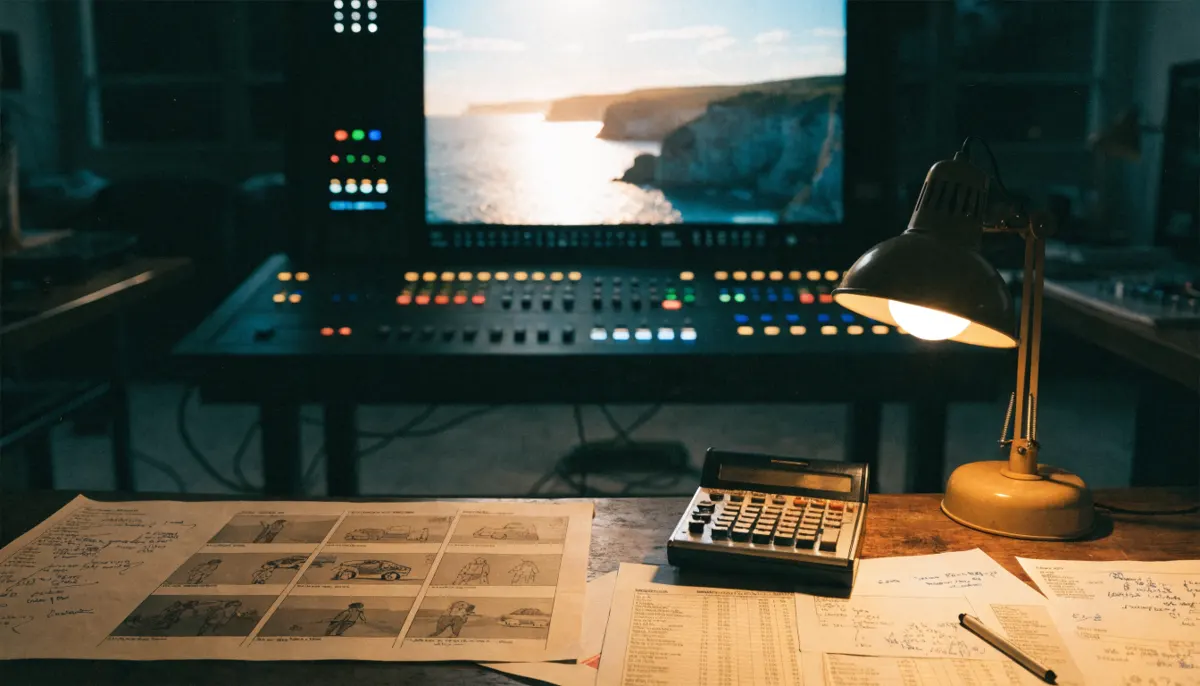
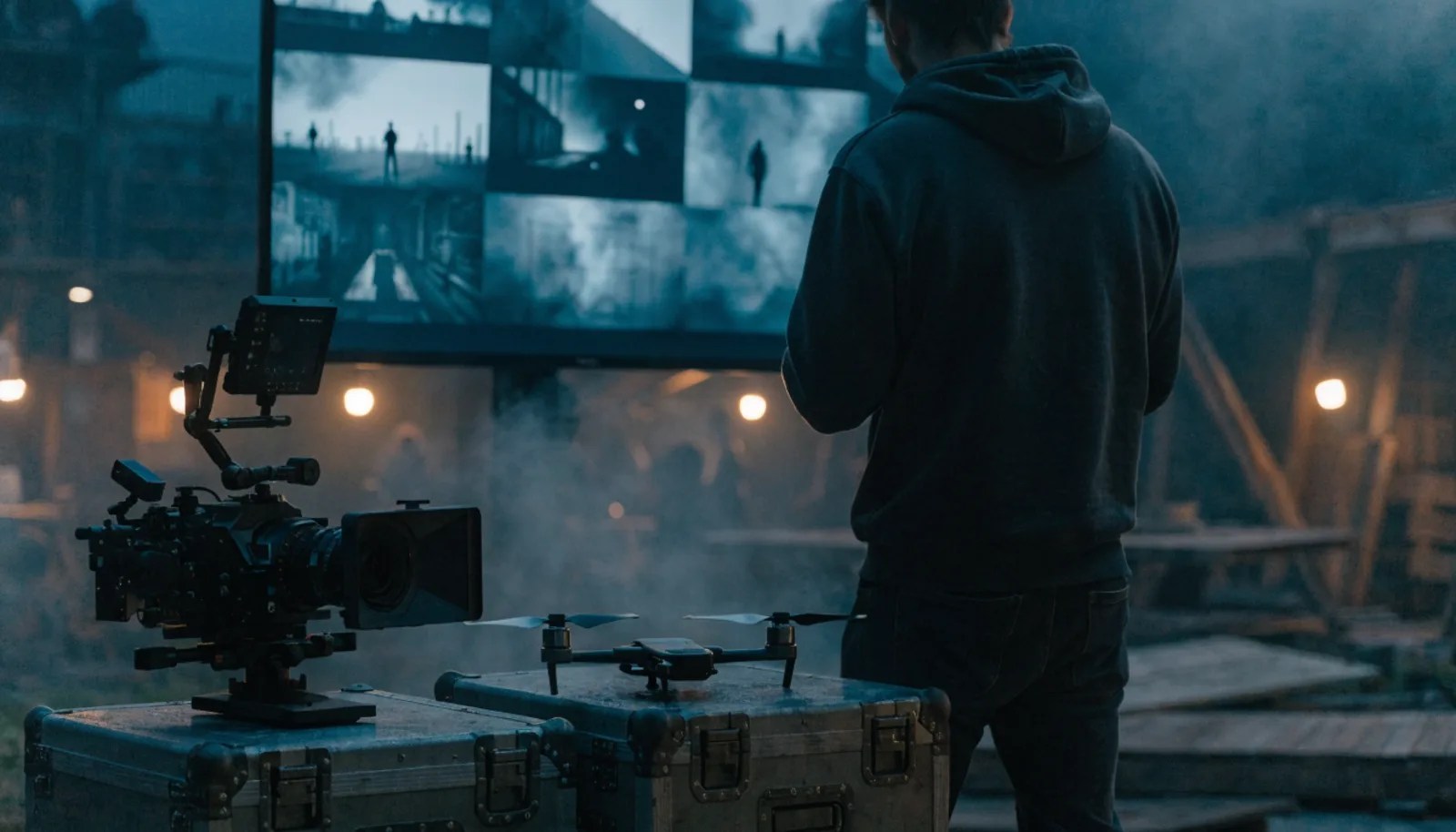
How an AI corporate video gets made: the real process
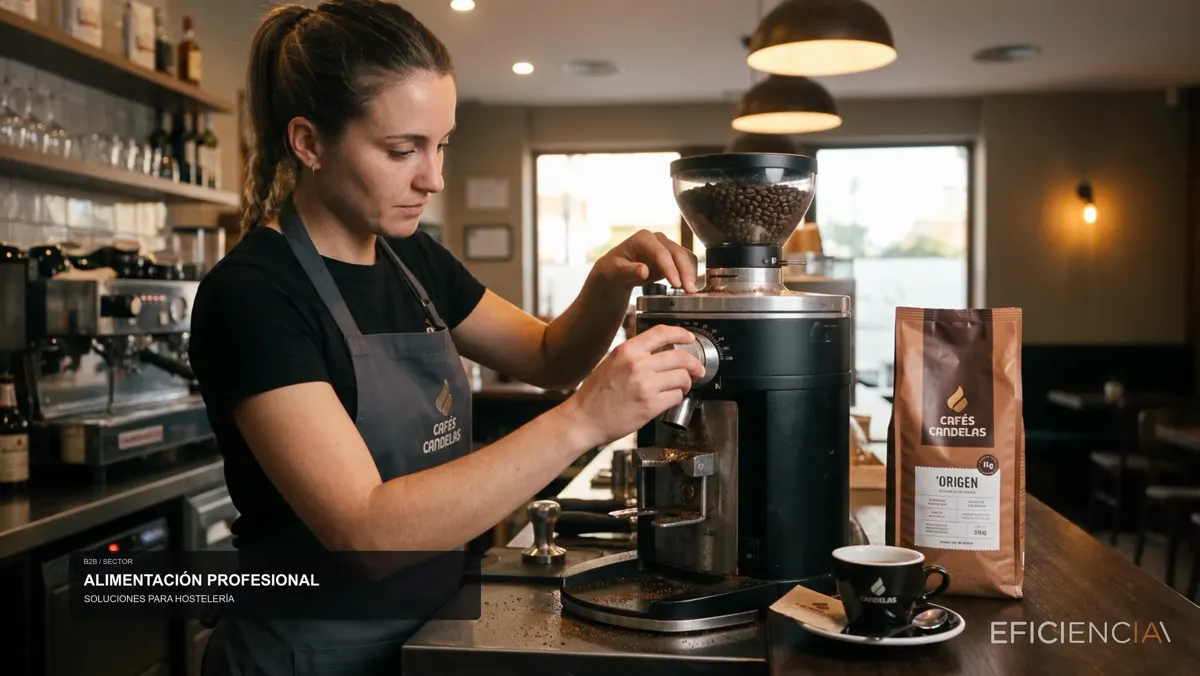
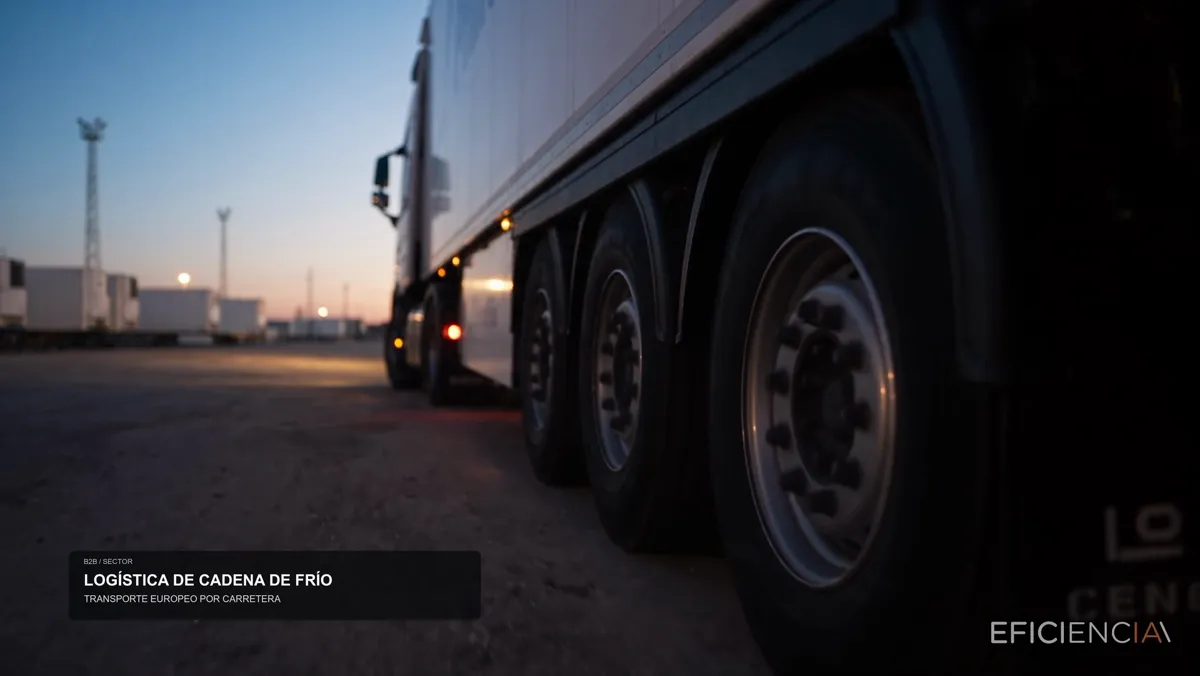
We have just finished a 62-second showreel that moves through nine industries: office furniture, cold chain logistics, architectural acoustics, coffee for food service, optics, precision agriculture, fashion, sports nutrition and software. Not one shooting day. This is the full process, step by step, no mystery.
Where a nine-industry showreel comes from
Every piece in the cut was produced as a demonstration for a type of business that sells to other businesses. These are the industries where corporate video tends to hurt: filming a refrigerated fleet before dawn means parking lorries that should be out delivering. Filming a furnished office means renting one or dismantling a showroom. And when the product is software, there is nothing to point a camera at.
Generation with AI can avoid part of that toll when the shot and required fidelity allow it. What it does not remove is the need for direction, and that is the difference between a video that sells and a pile of prompts.
The method, in four steps
1. Brief
A briefing conversation: what the company sells, to whom, and where the video will be seen. The format and duration of this phase are agreed according to scope. A trade fair does not want the same rhythm as LinkedIn, and a distributor does not look at the same things as a purchasing director. If there is a brand manual, we follow it. If the real product must appear, we assess which references, files or live-action material are needed to maintain the agreed fidelity.
2. Script and direction
We write the shots that tell the business, with look, pace and references defined before anything is generated. The client approves the script on paper. It is the cheapest stage at which to change your mind, exactly as in a shoot.
3. Directed generation, shot by shot
Each shot is generated, reviewed and redone until it holds. Holding means the physics do not betray you: the coffee steam rises as it should, the beans fall with weight, a trainer's print keeps its pattern as it turns, and the logo is still the logo in the final frame. That is where most of the work goes, and where a viewer senses, without being able to name it, whether there is craft behind the piece.
4. Delivery
The approved proposal defines the master, channel cuts, revisions, formats and rights. When included in scope, we document versions and transparency decisions, assess Article 50, preserve available technical marking and prepare any applicable or voluntary disclosure; there is no universal visible label for every AI-made video.
What changes compared with a shoot
- Nobody travelled for this showreel. There was no crew, cast or client on a set; the script determined the locations.
- Schedule depends on scope. Shot count, continuity, revisions and formats are fixed in the approved proposal.
- Changes are planned earlier. Script and references help validate decisions; included regenerations and rounds are detailed by scope.
- Specific releases can be reduced; rights do not disappear. If we use neither real actors nor stock, those licences are avoided, but we still review tools, music, brands, references and uses and put them in writing.
And a necessary honesty: some jobs still call for a shoot, for instance when the product must appear in real hands with catalogue fidelity in every frame. In those cases we say so before quoting, and usually propose a hybrid of real footage with VFX.
How much does a corporate video like this cost?
It depends on the same things as any production: number of shots, duration, whether a character must stay identical across scenes, and how many formats are delivered. What can change is the cost structure: depending on the approach, travel, location hire, crew or cast days may be reduced. After reviewing the brief, we define price, schedule, revisions, formats and rights in a proposal for approval, without a universal SLA.
Watch it and judge
The full showreel, the nine industries explained and the form to ask for yours are on the AI corporate video for business page. And if you want to see how far the technique goes when it is properly directed, realistic AI video has 62 more shots, with the process on display.