AI Spot or Traditional Shoot: How to Decide
An AI spot makes sense when the value lives in worlds, products and situations you can build; a shoot makes sense when the value lives in a real, recognisable person or a live moment that happens only once. Many campaigns combine both lanes instead of committing to one from the outset. Here's the criteria to decide by ad type, without the hype.
When does an AI spot make sense, and when should you shoot?
Direct answer: AI can fit when you need to build a product, a difficult location or message variants; a shoot often fits when the core is a recognisable person, a real testimonial or a one-off event. A hybrid combines both where the brief supports it. The final decision depends on risk, rights, finish, budget and the agreed schedule.
We are not neutral about quality, but we are neutral about the tool. AI is rarely the selling point: it can avoid line items or expand options when the brief allows it. The effect on budget and schedule is calculated shot by shot; intent still depends on direction.
of advertisers will integrate generative AI into their video ad creation in 2026, and AI-generated creative will account for roughly 40% of all ads. IAB, Digital Video Ad Spend & Strategy Report 2025 (with Advertiser Perceptions and Guideline)
That figure doesn't mean everyone is producing entire spots with a generative model. It means AI is already part of the workflow behind almost any serious campaign, even if only to version, extend shots or build backgrounds. The useful question has shifted: it now comes down to deciding which part of this spot should be generated and which part should be shot.
Every type of spot calls for a different lane
There's no single answer because there's no single type of ad. A brand spot selling a feeling isn't produced the same way as a retail video that has to be on air on Friday. This is the logic we apply before recommending anything.
| Type of spot | Recommended lane | Schedule drivers | When it fits |
|---|---|---|---|
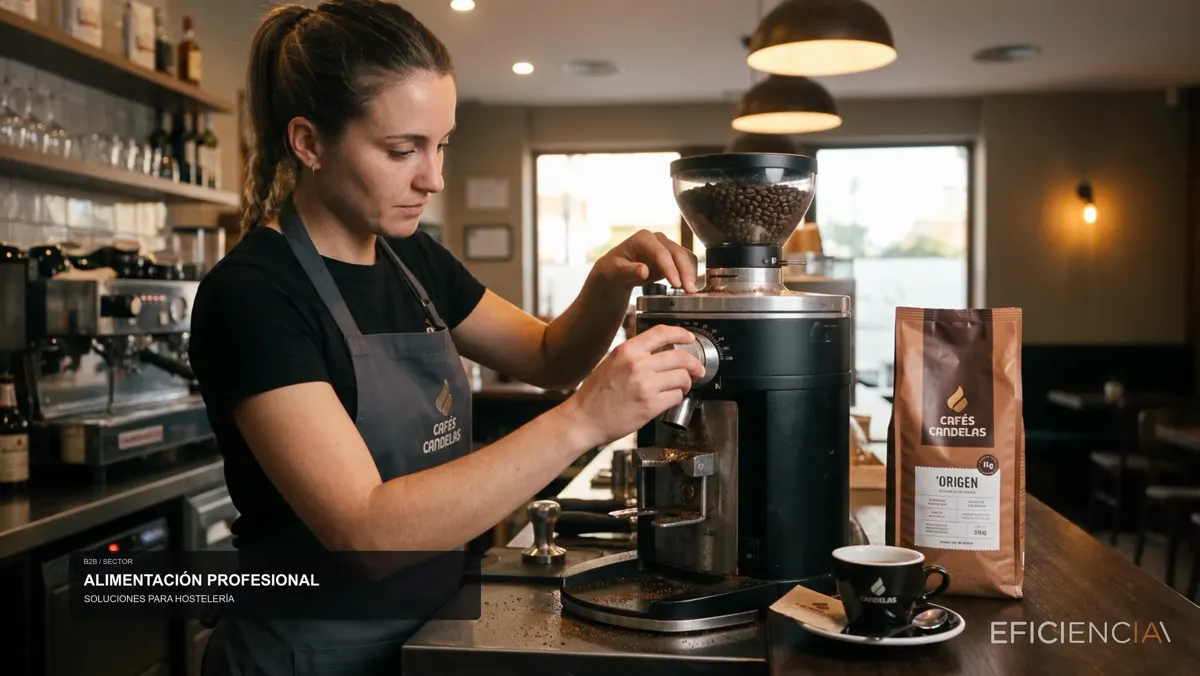
| Brand spot | AI or hybrid | Script, shots, rights, reviews and approvals | When you're selling a visual territory and a feeling. AI lets you build coherent worlds and an ownable language without relying on costly locations. |
| Product launch | AI (CGI product) or hybrid | Product status, assets, versions and approvals | When the product isn't manufactured yet, has colour variants or needs contexts that are impossible to shoot. Ideal for packshots and hero shots. |
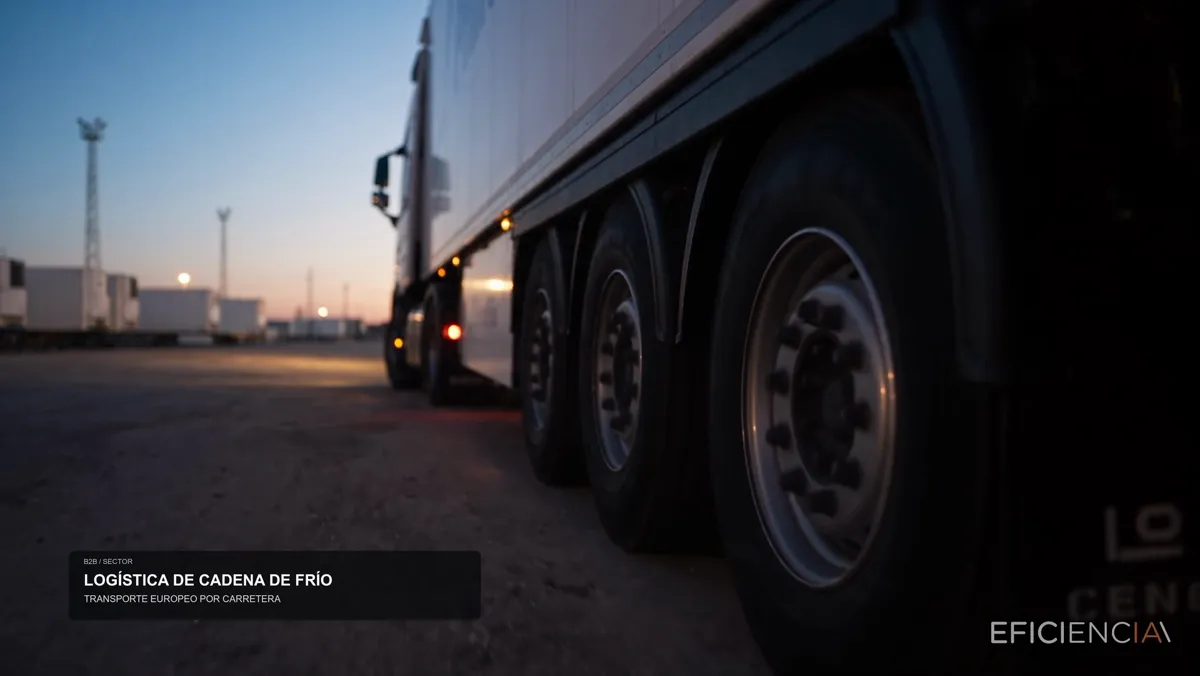
| Retail and promotional | AI | Pieces, campaign date and approval route | When cadence is high and scope defines variants and finish criteria. |
| Social performance | AI (many variants) | Format matrix, volume and review | When you need to test several versions of the same message in 9:16, 1:1 and 16:9. AI makes the volume that performance demands viable. |
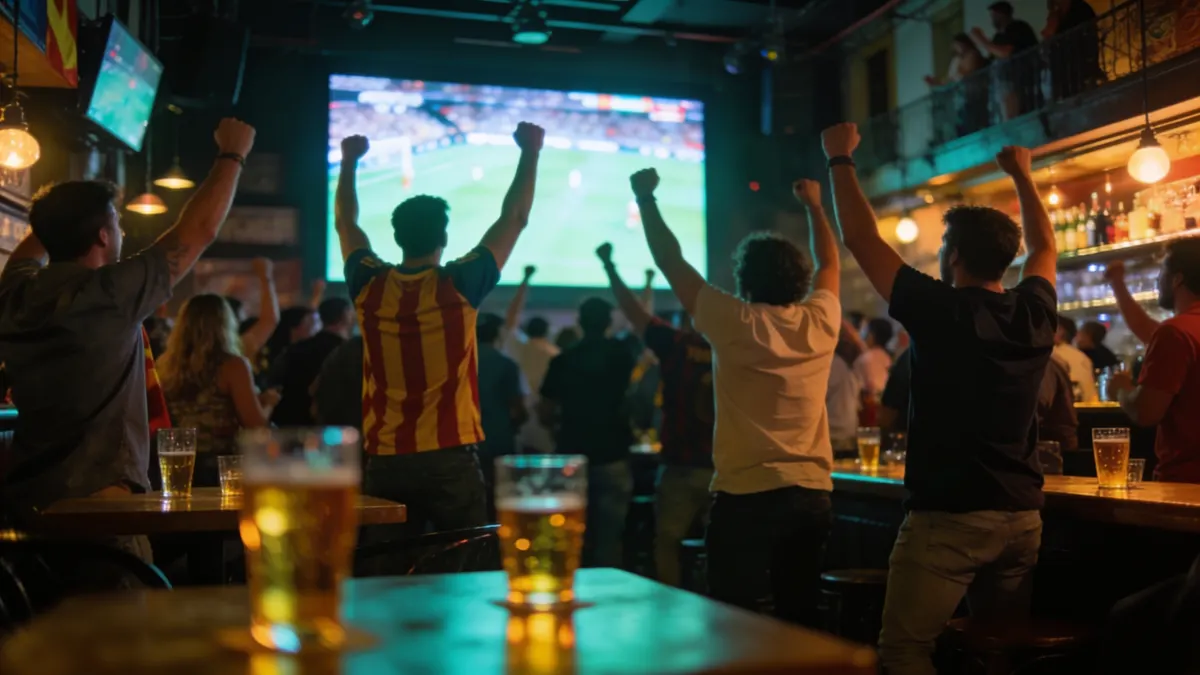
| Emotional spot with a real face | Shoot or hybrid | Casting, location, filming, permits and post-production | When the ad rests on a specific person, a testimonial or the micro-expression of a performance. Here the camera still wins. |
The essentials
- AI wins on built worlds, product, volume and timeline. The shoot wins on real recognisable faces and one-off live moments.
- The hybrid model (shoot what only works real, generate the rest) is the most common approach in 2026 campaigns.
- AI can avoid selected line items or steps where the brief allows it; impact on cost and schedule is calculated shot by shot and does not replace direction.
- The right call is made by ad type and objective, not by trend.
Direction matters more than the engine
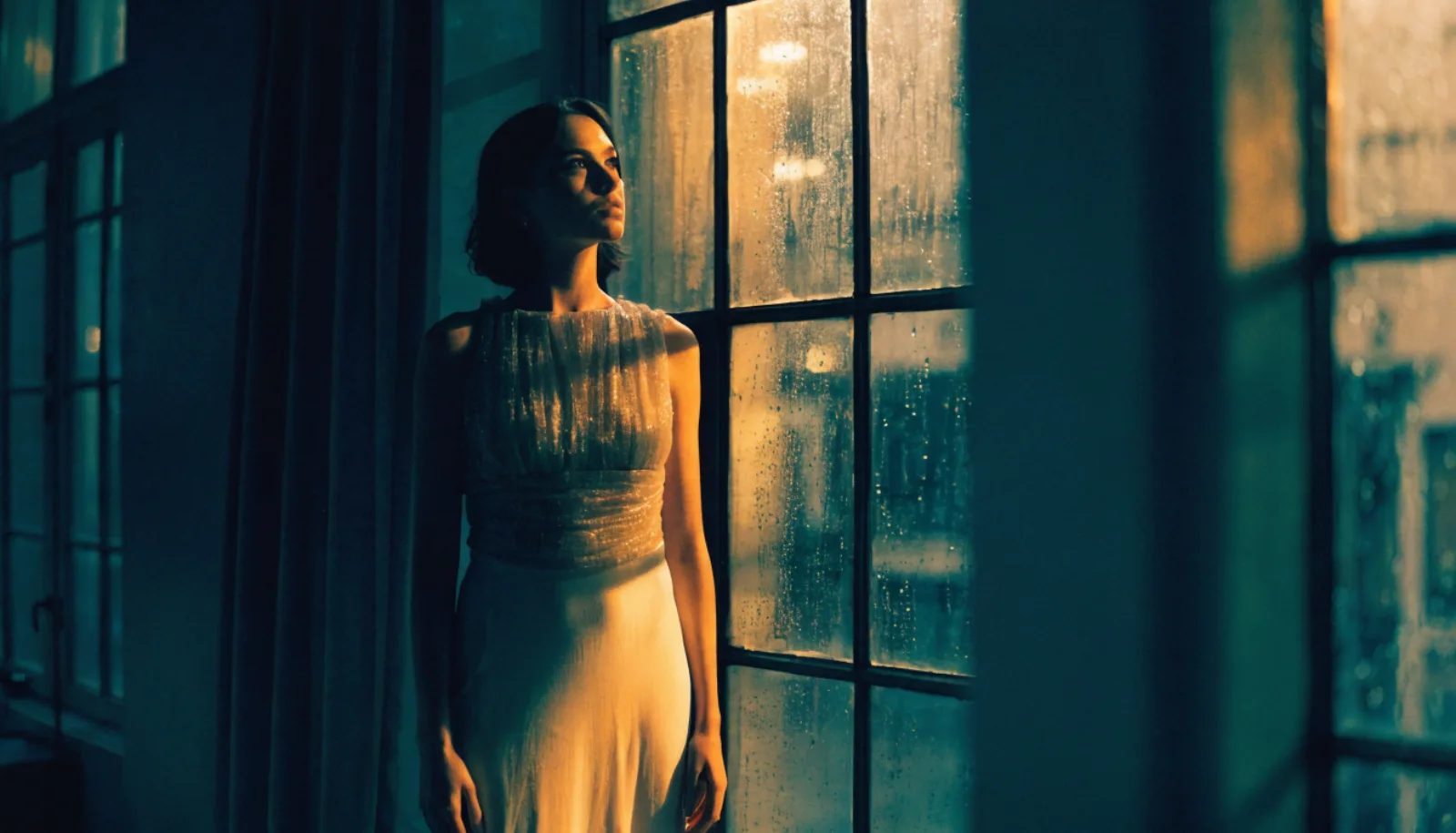
Anyone can write a prompt today. Tools like Sora, Veo, Runway or the Adobe workflows have put a decent starting point within everyone's reach, and that's good news. The problem is that this starting point shows: framing without intent, flat light, transitions that say nothing. The leap from a generated sketch to a frame a brand can sign off is the same one that separates a phone photo from a campaign: art direction, continuity and a colour grade that gives it body.
 BeforeAfter
That's why, when a company asks us for an AI spot for their brand, the first move isn't to open a generator. It's to understand the objective, the brand territory and where the piece will live. The technology comes after.
When AI is NOT the best option
We say it plainly because it's what builds trust: there are cases where we recommend shooting, even though we produce AI video every day.
- Real recognisable faces. If the campaign leans on a founder, an ambassador or a specific customer the audience must recognise, you shoot. The micro-expression and trust of a real face can't be replaced without it showing.
- Testimonials and live documentary. When the value is the truth of someone telling their experience, the camera is irreplaceable.
- One-off events. A live broadcast, an opening, a moment that happens only once: that's covered by shooting.
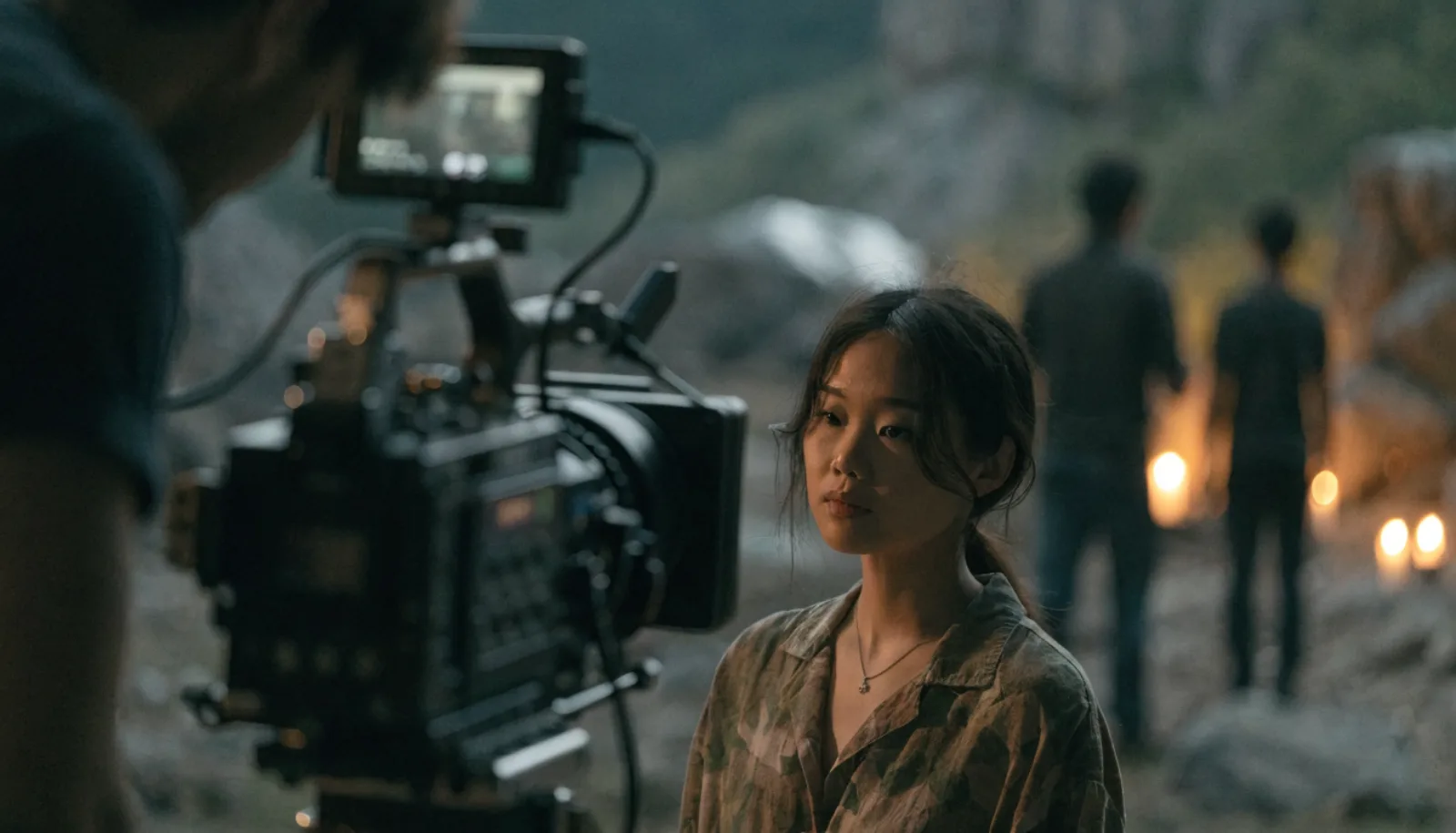
In those scenarios the honest move is to shoot the core and, where it helps, reinforce with AI what would be prohibitively expensive to shoot: backgrounds, shot extensions, worlds around the person. That's the hybrid model properly understood.
What a spot costs, and why the lane changes the number
No serious production company will give you an exact price without knowing the project, just as no architect signs off a cost without seeing the site. What we can do is show you the market bands. In Spain in 2026, a spot with full traditional production typically runs between 7,000 and 20,000 EUR, and can go well beyond that on complex TV campaigns, according to public references from production companies. Across Europe those figures scale with market and crew, but the logic holds. A basic corporate video starts much lower, around 2,000 EUR.
AI-native production changes where the budget is concentrated. We do not publish a universal rate or turnaround: after understanding the brief, we provide a written proposal defining scope, price, schedule, revisions, rights and deliverables.
Tell us what spot you have in mind and what it is for. After reviewing the brief, we will say honestly whether AI, a shoot or a hybrid fits and prepare a written proposal.
Tell us about your projectFrequently asked questions
Can you tell a spot was made with AI?
A poorly directed spot shows, with or without AI. Art direction, continuity, artefact review and professional grading help each shot meet the agreed criteria; the result is validated against the deliverables without absolute equivalence guarantees.
How long does it take to produce an AI spot?
There is no universal turnaround for an AI spot or a shoot. The schedule is defined after reviewing script, shot and version count, source material, rights, reviews, approvals and deliverables.
Can I mix real footage and AI in the same ad?
Yes; it is a frequent route where the brief needs both real presence and generated scenes. You shoot what only works real (a person, a testimonial) and generate with AI what would be costly or impossible to shoot (worlds, backgrounds, shot extensions, variants). That's the hybrid model.
Does AI work for social performance?
Performance often needs variants of the same message in different formats (9:16, 1:1, 16:9). An AI pipeline can make that volume viable when adaptations, reviews and rights are defined in scope; it is compared case by case with the shooting alternative.
What do you need from me to start?
We need the objective of the spot, its channels, your brand territory and a schedule reference. From that, we recommend the route and define scope, budget, rights, revisions and deliverables in writing.
Are you a production company or a tool?
We're an AI-native video production company. We don't sell access to an app so you can make the video yourself. We produce the spot with directorial judgment, like any production company, using AI where the brief and approval criteria support it. You can see examples in our projects.
If you're comparing format and provider before commissioning a spot, that comparison is the job done right. Once it's clear, let's talk: we'll tell you which lane fits your specific case, without pushing you toward one by trend. Start from our AI video production or write to us directly via contact.