In-House AI Recycling Campaign Demonstration
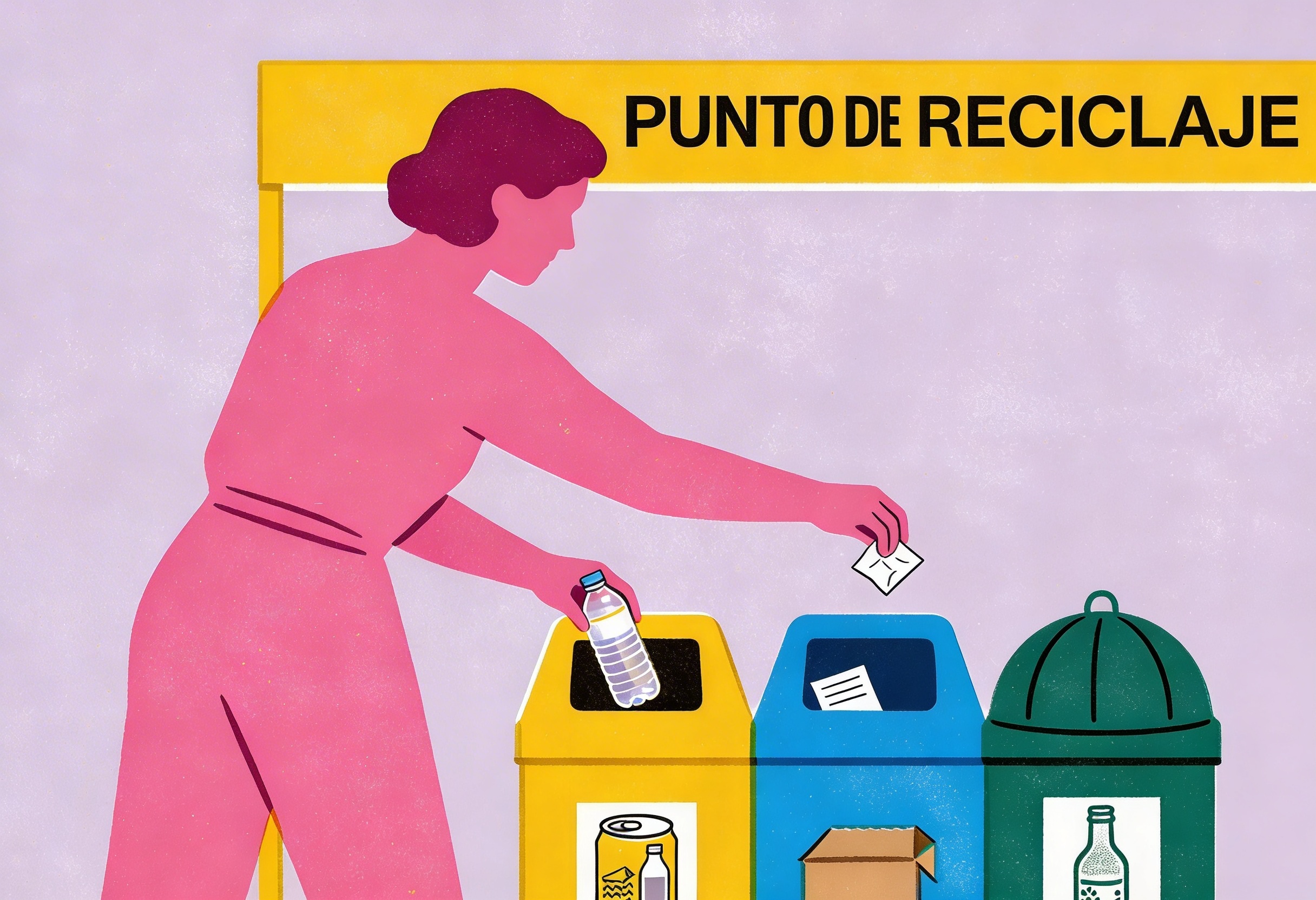
An independent in-house demonstration by EficiencIAl Studio. It was not commissioned by a brand, client or public body.
An editorial demonstration of a directed workflow for a recycling-awareness piece and possible social adaptations.
Environmental awareness campaigns share a structural problem: the message is unquestionable, but the execution is usually flat. Lots of information, little narrative, low retention on social media. The hypothetical case seeks impact within a budget that does not include a three-day shoot with a full technical crew.
What no sustainability brief says out loud
The demonstration set out to explore an emotional audiovisual piece to encourage recycling, optimized for social and digital channels. Visually coherent. With personality. Without the generic stock-image look that destroys the credibility of any purpose-driven campaign.
For some public bodies and NGOs, a large shoot may not fit the available budget. A generative workflow can be assessed as an alternative, with scope, rights and schedule defined per project.
Simplicity with intent: choose better the single element that matters
The art direction defined three pillars before generating any asset:
- Clear silhouettes with high legibility on fast scroll: critical on mobile-first
- Recognizable elements: recycling point, human gesture, everyday object the viewer identifies in fractions of a second
- Visual hierarchy that also works without audio and is reviewed in its intended context
Creative control isn't delegated to the model
The most frequent conceptual mistake in agencies working with AI: using the model as a guide instead of as a tool. The difference is fundamental and directly reflected in the result.
Preproduction · Before the first prompt
The creative team defined intent, tone and the "exact moment" of the action before executing any asset. A mini storyboard was built to lock framing and rhythm. Style and palette references were selected. This upfront work prevents drift toward inconsistent or generic results.
Production · AI under human art direction
Palette, shapes, composition, character and environment consistency. The model acted as an iteration engine, not as a creative decision-maker. Iteration was organised within the rounds and criteria defined for the demonstration.
Postproduction · Legibility and multi-channel adaptation
Adjustments to legibility, contrast and visual hierarchies. Adaptation to the formats explored in the demonstration: 1:1, 4:5 and 9:16 for organic social and paid campaigns. Each format is reviewed individually for hierarchy, legibility and adaptation to its intended context.
What marketing departments buy when they hire an AI pipeline
The demonstration shows a main key visual, possible social versions and copy and claim adaptations by channel. It does not represent a client delivery.
More iterations before a formal review can reduce later corrections. The impact on approval and cost depends on the project: two metrics that directly impact project profitability for the agency or production company. If you're planning a budget for this, here's how much an AI video in Spain costs in 2026.
Visual Development and AI Animation
From static frame to moving sequence. Audiovisual pieces for campaigns, institutional content and social: optimized for each channel from the art direction.